What to Wear to a Bengali Hindu Wedding Ceremony as the Bride's Sister
A Bengali Hindu wedding ceremony runs evening-into-night, with the shubho drishti (first sight), the saat pak (seven circumambulations), and the symbolic exchange of betel leaves over the bride's face. As the sister you carry the conch, lift the wooden plank during the saat pak, and stay alongside the bride from sunset to midnight.
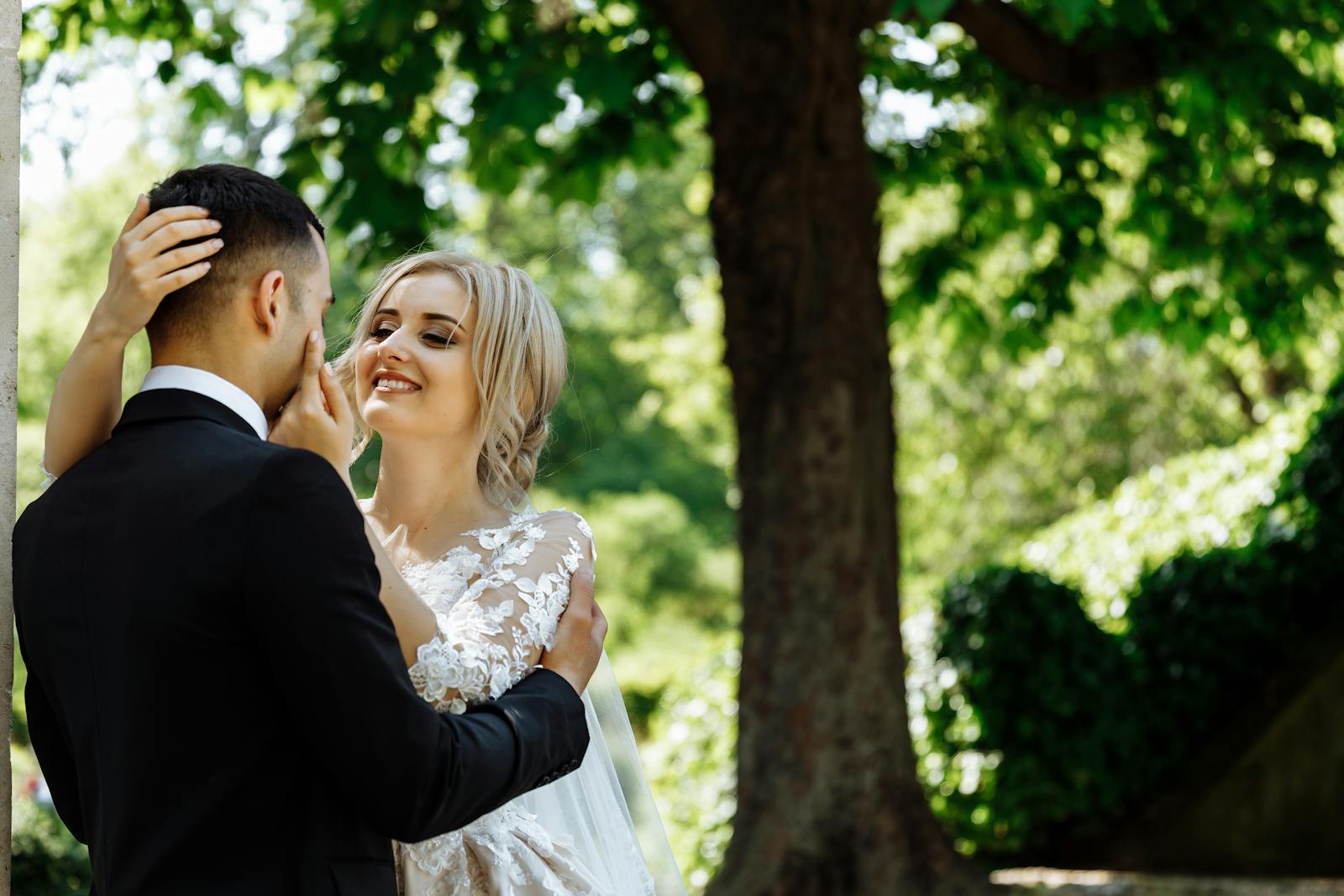
Wear a heavy Banarasi or Baluchari silk saree in deep maroon, peacock blue, or mustard. Pivot away from the bride's red-and-white. Pearl-and-gold jewellery, a heavy gold chura on each wrist, hair pinned with white flowers. Plan for an evening-to-midnight ceremony with multiple ritual moments where the sister is centrally placed. Skip pure red (bridal) and white (mourning). The sister carries the conch, blows it three times during the shubho drishti, and joins the lifting of the wooden plank during the saat pak.
Your night, hour by hour
A Bengali Hindu ceremony begins at sunset and runs into late night. The sister is inside every ritual moment from the bride's preparation onward.
- 6:00 pmBride's preparation and gaye holudYou are with the bride from late afternoon. The bridal makeup, the application of alta (red lac dye) on the bride's feet, the bridal red Banarasi saree being pinned.
- 8:00 pmBaraat arrives, conch soundsThe groom's procession arrives. The bride's family receives them. The sister and her female cousins blow conch shells. The Bengali ululation rises.
- 8:30 pmShubho drishti (first sight)The bride is carried to the wedding canopy on a wooden plank, lifted by her sister and brothers. Her face is initially hidden under betel leaves. The leaves are lifted, the bride and groom see each other for the first time. Photographs from every angle.
- 9:00 pmSaat pak (seven circumambulations)The bride is lifted on the wooden plank by her brothers and sister. Seven times around the groom while seated. The sister holds the plank steady. Physical, photographed extensively.
- 10:00 pmMala badal (garland exchange)Bride and groom exchange flower garlands. Family members lift each in turn. Photographs.
- 11:00 pmPhera and sindoorThe seven phere around the sacred fire. The groom applies sindoor to the bride. Mangalsutra. The ceremony technically ends here.
- 12:00 amVidaaiThe bride leaves with the groom's family. The sister cries with her. Late-night close.
The four silhouettes that actually work
Bengali ceremonies reward heritage textile and pearl-coordinated jewellery. Heavy lehengas read as wrong-region.
Heavy Banarasi silk saree
The classical sister choiceA heavy Banarasi silk saree in deep maroon or peacock blue, with a fully covered blouse and a heavy gold-thread border. The Bengali wedding sister default.
Baluchari silk saree
For the heritage signalA handwoven baluchari with mythological figurative motifs on the pallu. Reads as deeply Bengali-regional. Pair with pearl-and-gold jewellery.
Heavy tussar with kantha embroidery
For the modern sisterA heavy tussar silk saree with intricate kantha embroidery throughout the body. Modern interpretation of regional craft. Pair with oxidised silver.
Banarasi tussar saree
For the comfort-and-dignity optionA Banarasi tussar (cotton-silk blend) saree with traditional border. Lighter than full Banarasi silk, easier to manage during the lifting rituals.
Three mistakes specific to a Bengali ceremony
- 1A heavy embroidered lehengaBengali ceremonies are saree-led. The sister in a North-Indian-coded heavy lehenga reads as having brought the wrong-region outfit.
- 2Wearing red and white togetherRed and white are the bride's lal-paar saree palette. Wearing both reads as competing.
- 3Skipping the alta on feetThe bride's sister traditionally wears alta (red lac dye) on her feet at a Bengali wedding ceremony. Many North-Indian-influenced sisters skip this. Older Bengali aunts notice. The alta application takes 5 minutes; a thin red border around the feet.
The Bengali sister rule nobody writes down
At a Bengali Hindu wedding, the bride's sister and her female cousins traditionally lift the wooden plank (pidi) on which the bride is carried during the shubho drishti and saat pak. This requires real physical effort, the plank holds the bride's full weight. The sister stands at the front of the plank, two cousins on each side. Pin your saree pleats firmly before the lift; the saree can come undone during the seven circumambulations. The lifted-plank moment is the most photographed of the entire wedding for the sister. Plan the saree drape that holds.
My closest friend got married in a Bengali ceremony in Kolkata. I lifted the wooden plank during her saat pak with three of her cousins. I had not anticipated the physical weight; my Banarasi saree pleats came undone in the third circle and I held them with one hand for the remaining four. The photographs from that night are iconic but I am visibly holding the saree on. The lesson: pre-pin the pleats with safety pins, multiple, on the night-before so they hold for an hour of physical effort.
Colours, in priority order
Get the Indian wedding outfit guide
One email a week. The next festival, the next wedding, the outfit guide you actually need. No spam.