What to Wear to a Gujarati Hindu Wedding Ceremony as the Bride's Friend
The antarpat falls, panchhi-sajan begins, and the bride's closest friend is in the front row of every photograph. Silhouettes, palettes, and the gajra detail nobody tells outsiders.
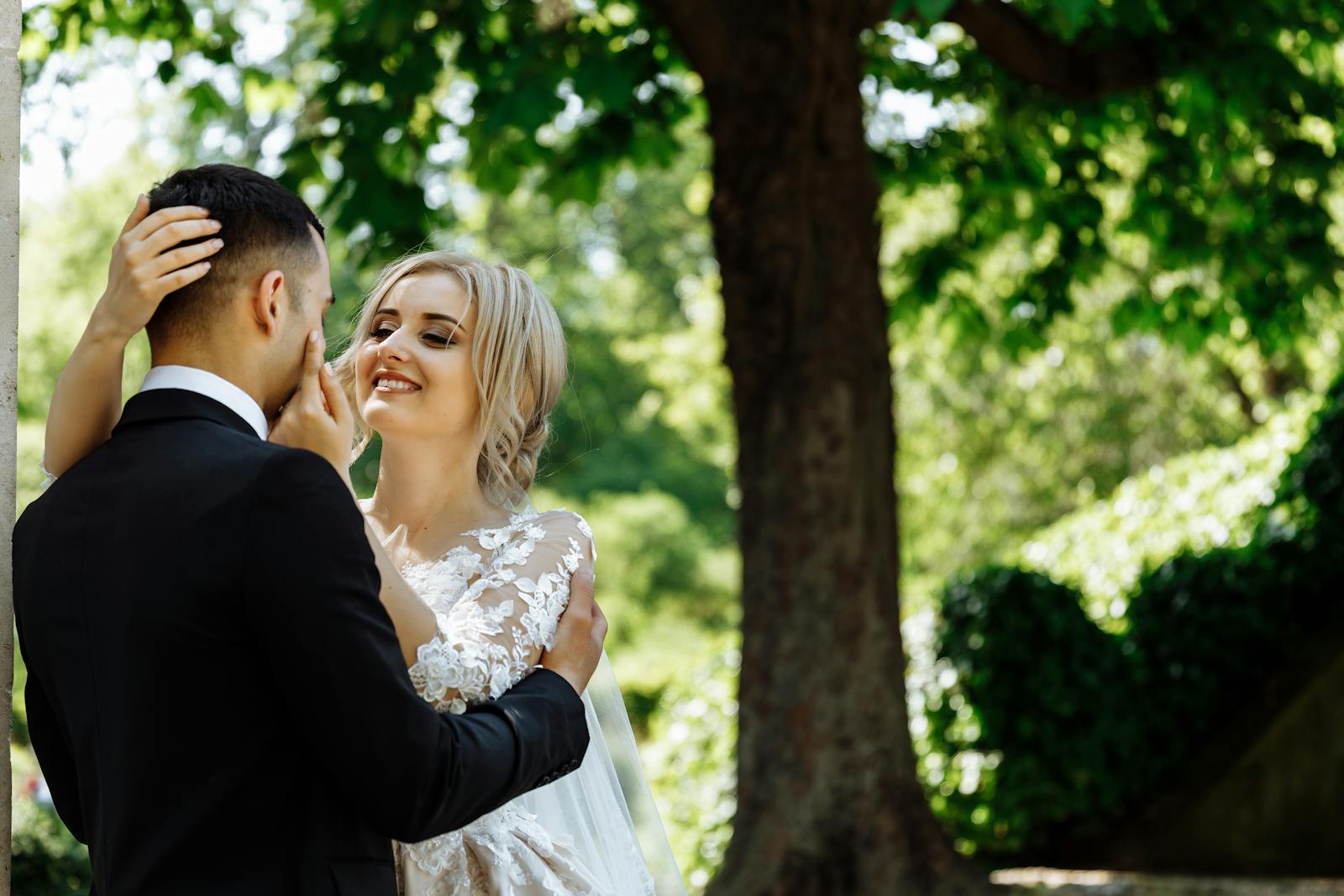
For the bride's closest friend at a Gujarati ceremony, wear a bandhani or gharchola-print saree, or a panelled lehenga in marigold, parrot green, or dusty rose. Avoid the panetar palette (red and white together), which is the bride's. Choose a six-yard pre-stitched saree if you have not draped one before, the panchhi-sajan and pheras run long. Wear a flat or kitten heel, a single statement necklace, and a fresh mogra gajra if it is a daytime ceremony. Skip white, black, and an all-red look.
The ceremony, hour by hour
A Gujarati Hindu wedding ceremony is unusually performative for guests. The bride's friend is rarely seated, often standing at the mandap edge, throwing rice, or holding the chunari for the panchhi-sajan blessings. Here's what to actually expect.
- 8:00 amPonkhana and the welcomeThe groom arrives at the mandap and the bride's mother performs ponkhana, the welcome ritual where she pretends to pull his nose. The bride's friend is on the welcome side of the family, standing for 20 to 30 minutes. Pre-draped saree wins here, the welcoming pulls and tugs.
- 9:00 amAntarpat lifted and bride entersThe white cloth between bride and groom is lowered. This is the most photographed Gujarati moment after the pheras. Stand to the bride's right side if you are her closest friend, never directly behind, you'll block the priest in stills.
- 10:00 amHasta milap and mangal pherasHands tied with the chunari, four pheras around the agni. Friends typically throw flower petals at the start of each phera. Wear something with sleeves you can lift to shoulder height freely.
- 11:30 amSaptapadi and saubhagyaSeven steps of the marriage. The bride's friends sing panchhi-sajan in the background, a Gujarati call-and-response sung specifically by women on the bride's side.
- 12:30 pmKanyadaan and ashirwadFamily blessings, then the bride's friend is back in family photos. The gajra moment, fresh mogra in your hair photographs unmistakably Gujarati.
- 1:30 pmVidaai and lunchThe emotional farewell. The bride's friend often walks her to the car. Carry tissues and a powder compact, you'll need both.
The four silhouettes that work for the ceremony
Sorted by what a Gujarati ceremony actually demands.
Bandhani saree, six yards
The most obviously Gujarati pickA traditional tie-dye bandhani in marigold, parrot green, or dusty rose. The bandhani print reads instantly Gujarati and photographs unmistakably. Choose a Kutch-bandhani or Saurashtra style with a contrast pallu, not a plain bandhani body.
Gharchola saree
For the bride who knows her textilesThe gharchola is the auspicious Gujarati red-and-gold checked weave traditionally given by the groom's side. Worn by close friends only when the bride is in panetar (white-and-red), since gharchola complements rather than competes. Confirm with the family first.
Panelled lehenga, daytime weight
For the under-30 friendA georgette or tussar lehenga with bandhani-inspired panels or gota work. Lighter than a wedding-evening lehenga because Gujarati ceremonies run hot. Avoid heavy zardozi for a morning mandap, you will overheat by the second phera.
Pre-stitched concept saree
For first-time saree-wearersModern Gujarati brides' friends often choose a pre-pleated saree set, especially for the standing-heavy ponkhana sequence. Look for "Gujarati drape" specifically, the pallu falls front-to-back, opposite of the Bengali drape.
Three mistakes I see at every Gujarati ceremony
- 1Wearing red-and-white togetherThe panetar palette (white body, red border, sometimes with bandhani) is reserved for the bride. A bride's friend in red-and-white in the mandap photos confuses every relative who later asks 'who was the second bride?' Choose marigold, green, or rose instead.
- 2Skipping the gajraGujarati women across generations wear fresh mogra in their hair to morning ceremonies. Skipping the gajra reads as outsider in family photos. Pre-order a gajra from the venue florist or pick one up from any Gujarat market stall the morning of, ₹50 to ₹150.
- 3A draped seedha pallu in a Gujarati settingThe Gujarati saree drape sends the pallu front to back over the right shoulder, not the left, opposite of the standard Nivi drape. Wearing a Nivi drape to a Gujarati ceremony reads as a Maharashtrian or South Indian friend, not the bride's close circle.
The Gujarati insider rule nobody writes down
The panchhi-sajan is the moment everyone underestimates. These are the songs Gujarati women sing during the saptapadi and ashirwad, call-and-response, in chorus, no music. The bride's closest friend is expected to know at least the first two ('Vahala lagi che vahalu' and 'Mehendi te vavi'). Listen to a recording the night before, even mouthing along reads as 'inside the family' in video. Skip this and you'll be the only friend silent during the most filmed two minutes of the ceremony.
At my college roommate's Gujarati wedding in Vadodara, I wore a beautiful red Banarasi I'd worn to two North Indian weddings already. The bride's grandmother walked up to me at the mandap and quietly said, in Gujarati, 'Beti, the bride wears red here, change the dupatta.' I borrowed a yellow chunari from the bride's cousin and pinned it over my pallu for the pheras. Don't be me. Confirm the panetar palette with the bride's mother before you fly in.
Colours, in priority order
Get the Indian wedding outfit guide
One email a week. The next festival, the next wedding, the outfit guide you actually need. No spam.