What to Wear to a Muslim Nikah as the Bride's Friend
The Nikah is a religious marriage contract recited by the qazi. Modesty rules apply, full coverage, head covered during the recital, no music or alcohol. The friend's outfit guide for the daytime ceremony where the rules differ from a Hindu sangeet.
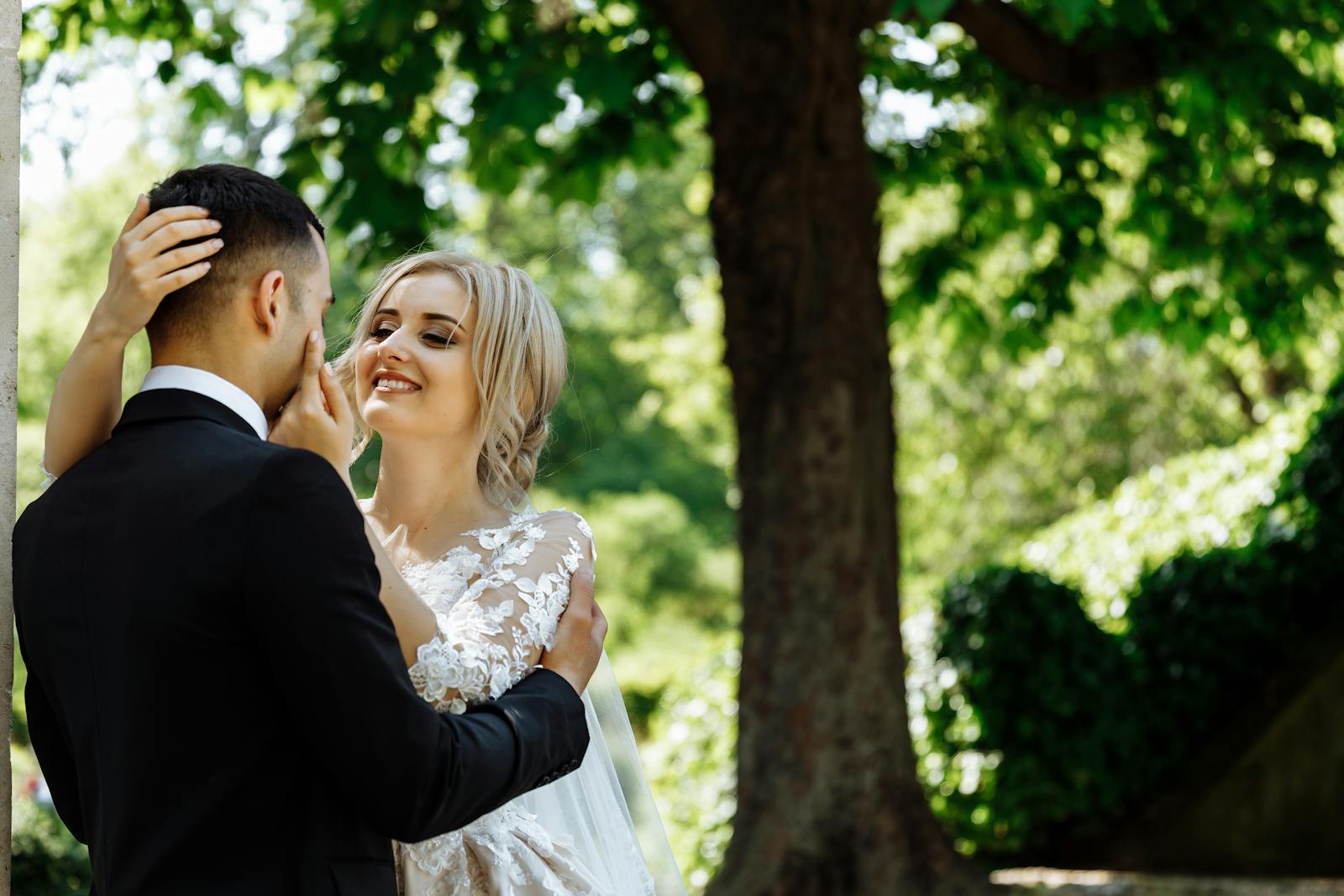
Wear a heavily worked sharara, gharara, or anarkali in blush pink, gold, mint, lilac, or champagne. The bride is usually in red, green, or maroon, pivot away from those. Full sleeves, modest neckline, ankle-coverage. Carry a coordinating dupatta long enough to cover your head during the qazi's recital. Heavy zardozi or gota patti embroidery is appropriate. No music plays during the Nikah itself, and most traditional Nikah ceremonies do not serve alcohol. Plan accordingly.
Your afternoon, hour by hour
A Nikah ceremony runs shorter than a Hindu wedding, the religious portion is 30 to 60 minutes. The reception (Walima) is a separate event hosted later by the groom's family.
- 12:00 pmArrival, segregated seatingYou arrive at the bride's home or the banquet hall. Many traditional Nikahs have segregated male and female seating, women on one side, men on the other. The bride is in a private room with her female family.
- 12:30 pmVisiting the brideFemale guests visit the bride in her room. Photographs, hugs, the bride is seated on a low platform with her face partially covered. The bride's friend is welcomed warmly, possibly given attar (perfume) or rose water.
- 1:00 pmThe Nikah ceremony beginsThe qazi (officiant) sits with the groom in the men's section. The marriage contract (nikah-nama) is read aloud. The bride's consent is sought separately, sometimes through her wakil (representative). Female guests in the women's section listen, head covered.
- 1:30 pmThe Mahr is announcedThe mahr (groom's gift to the bride) is read out. Witnesses sign. The marriage is officially solemnised. Phool sehra (flower garland) is exchanged in some traditions. Guests offer congratulations.
- 2:00 pmLunch and rukhsatiA formal lunch is served, vegetarian or halal. After lunch, the rukhsati ceremony, the bride's symbolic departure to her new home. This is the emotional close. The bride's friend is in many photographs at this stage.
The four silhouettes that actually work
Coverage and intentional non-bridal palette are the constraints. Avoid red, green, and maroon (bride's territory) and avoid sleeveless or shorter silhouettes.
Sharara set with heavy embroidery
The classical pickA sharara (wide-leg pants set) with a heavily embroidered short kurta and a long dupatta. The most traditional Muslim wedding-guest silhouette. Choose blush pink, lilac, mint, or champagne. The dupatta serves as the head-cover during the Nikah recital.
Gharara set
For the more formal NikahA gharara is a flared, fitted-at-the-knee variant of the sharara, with even heavier zari work at the knee fall. Reads as more formal than a sharara, particularly correct at Hyderabadi or UP-Muslim Nikahs. Heavy, dressy, photographs intricately.
Embroidered anarkali
For the modern compromiseA floor-length anarkali in blush, mint, or gold, three-quarter or full sleeves. Easier to wear if a sharara feels unfamiliar. Pair with a heavy dupatta for the head-cover requirement.
Gota-patti work suit
For UP-Muslim daytime NikahHeavy gota-patti embroidered salwar suit, particularly correct at UP, Lucknow, and Kashmir-origin Muslim weddings. Lighter than a gharara, dressier than a regular salwar suit. Champagne or pale gold is the classic UP-Muslim daytime palette.
Three mistakes specific to a Muslim Nikah
- 1Bare arms or short sleeves at the religious ceremonySleeveless, off-shoulder, or short-sleeve outfits are inappropriate at a traditional Nikah. The Walima reception that follows is more flexible. The Nikah itself is a religious moment and modest coverage is expected, not optional. A friend in a halter-neck blouse reads as having misunderstood the event.
- 2Wearing red or greenRed and green are the most common bridal colours at a Muslim wedding. A friend in either reads as competing with the bride. Pink, blush, lilac, mint, gold, and champagne are all clean pivots that maintain festive formality.
- 3Forgetting the head-cover during the Nikah-nama recitalWhen the qazi recites the Nikah contract, female guests are expected to cover their heads with their dupatta. This is a 5-minute moment, not a full-event requirement, but it does happen. Plan a dupatta long enough and a hairstyle that allows for the cover (avoid intricate updos that fight the dupatta).
The Muslim wedding rule nobody puts on the invitation
Muslim weddings vary significantly by region, Hyderabadi, UP/Lucknow, Bohra, Bengali Muslim, Kashmir, Kerala Mappila, all have distinct traditions. The Hyderabadi Nikah is the most formal in dress code (heavy gharara, gold zardozi). The UP/Lucknow tradition leans gota patti and chikankari. The Bohra Nikah has a specific daytime simple anarkali tradition with a fitted ridaa headcover. Confirm the family's regional tradition with the bride or her sister; the right outfit at a Hyderabadi Nikah may read as overdressed at a Bohra one. The invitation rarely says.
The first Muslim wedding I went to was a Bohra Nikah in Mumbai. I wore a heavy gold gharara, the kind I would have worn to a Hyderabadi affair. Every other woman was in a fitted printed ridaa and a simple anarkali. I was significantly overdressed and the senior aunts gently pointed out that the format was different. I now ask the bride directly two specific questions: which regional tradition is the family from, and is the dress code formal-zardozi or simpler-printed. The invitation language never tells you.
Colours, in priority order
Get the Indian wedding outfit guide
One email a week. The next festival, the next wedding, the outfit guide you actually need. No spam.