What to Wear to a North Indian Hindu Wedding Ceremony as the Bride's Sister
The phera, the kanyadaan, the joota chupai bargain that runs into the early morning. As the bride's sister you are inside every ritual moment, in every family photograph, and on a tight emotional choreography. The outfit guide for the night that requires both elegance and stamina.
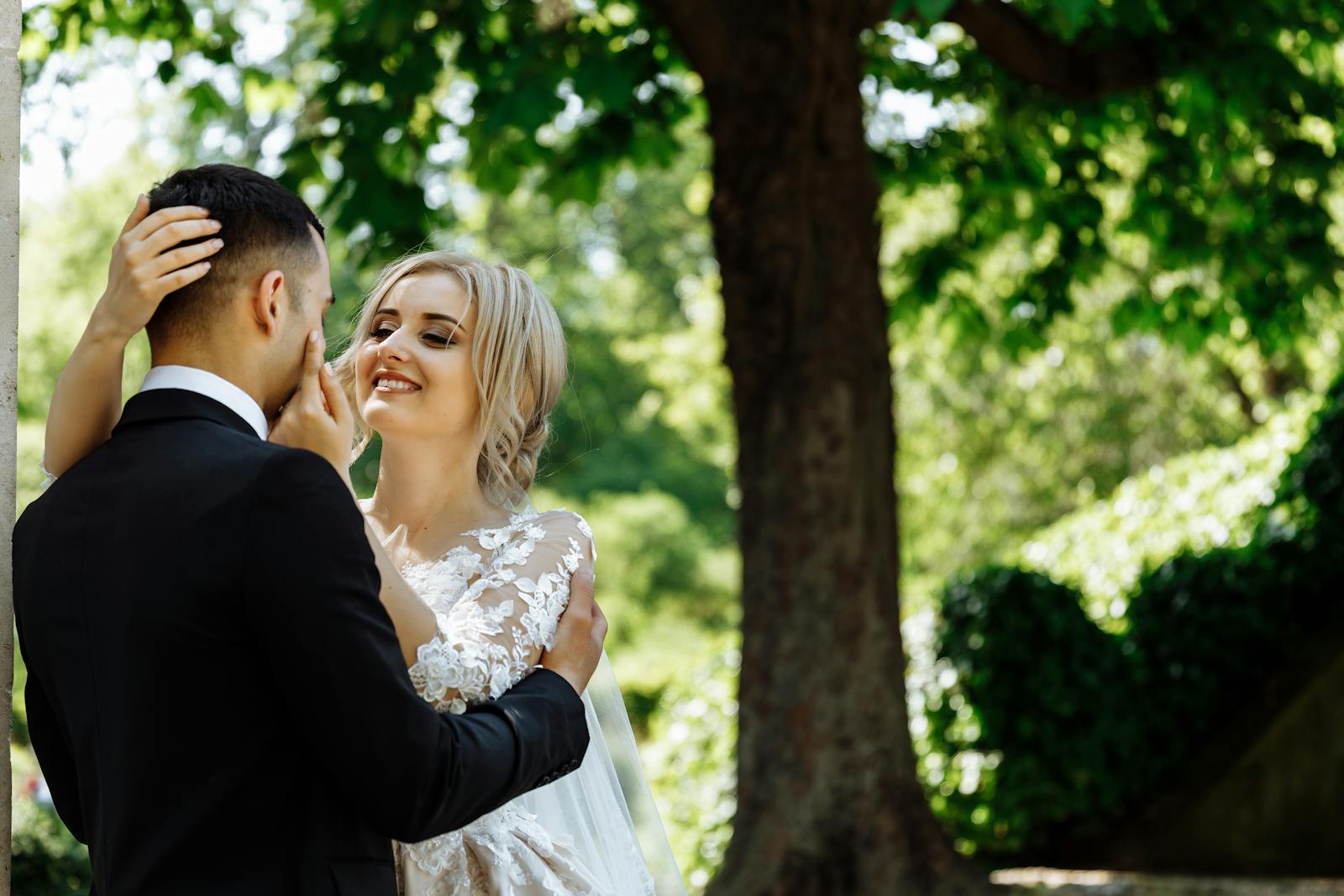
Wear a heavily embellished lehenga or anarkali in deep maroon, royal blue, deep emerald, or rich purple. Coordinate (do not match) the bride's red. Modest neckline, three-quarter or full sleeves, full dupatta. Heavy traditional gold jewellery: maang tikka or matha patti, long necklace, jhumkas, multiple bangles. Plan for a five-hour ceremony, often outdoor. Sit cross-legged for the phera, hand the bride to the groom during kanyadaan, then fight for the groom's shoes during joota chupai. Heels become flats by 1am.
Your night, hour by hour
A North Indian wedding ceremony runs from late evening into early morning. As the bride's sister, you are at every ritual moment.
- 6:00 pmHelping the bride get readyYou are with the bride from late afternoon, during her bridal makeup, hair, and lehenga. Photographs of you both. The kalire are tied. The chooda may be revealed. You are dressing simultaneously.
- 8:00 pmBaraat arrivesThe groom's procession arrives at the venue, accompanied by dhol and dancing. The bride's family receives them at the gate. The bride's sister is part of the welcome line, often offering tilak and flower garlands.
- 9:00 pmVarmala (garland exchange)On a raised stage, the bride and groom exchange flower garlands. Family members lift the bride and the groom alternately to make the garland-exchange harder. The bride's sister is in the lift-and-photograph cluster.
- 9:30 pmDinner buffetMost North Indian Hindu weddings have dinner before the phera. Family eats together. The bride's sister eats fast; the ceremony is in 90 minutes.
- 11:00 pmPhera ceremony beginsThe bride and groom sit at the mandap with the priest. The bride's parents perform kanyadaan (giving away). The seven phera (circumambulations of the sacred fire). The sister sits behind or beside the parents, on the floor, for the full duration.
- 12:30 amJoota chupai bargainAfter the phera, the bride's sister hides the groom's shoes and bargains with him for the return payment. This is your set-piece moment, the bride's sister's traditional negotiation. Run, hide, bargain, photograph.
- 2:00 amVidaai (departure)The emotional close. The bride leaves with the groom's family, throwing rice over her shoulder for prosperity. The bride's sister cries. The photographer captures everything.
The four silhouettes that actually work
Five hours of seated ceremony plus running for joota chupai means the silhouette has to balance heavy embellishment with movement.
Heavy panelled lehenga
The classical bride-sister choiceA heavily embellished panelled lehenga in deep maroon, royal blue, or emerald, with a fully covered choli and a heavy dupatta. Vertical paneling allows floor-seating for the phera. Skip circle skirts.
Floor-length anarkali
For the easier movementA heavily worked floor-length anarkali in georgette or velvet, with a column silhouette, full sleeves, and a heavy dupatta. Easier to manage during the joota chupai chase than a lehenga.
Heavy Banarasi or Kanjivaram saree
For the traditional sisterA heavy silk saree with a fully covered blouse, pre-pinned pleats, and a pallu pinned over both shoulders. Choose for older sisters or those who genuinely drape sarees well.
Velvet anarkali with heavy zardozi
For winter weddingsA velvet anarkali with heavy zardozi and gota patti work, particularly correct for winter weddings (November to February). Warm, formal, photographs richly under outdoor lighting.
Three mistakes specific to a North Indian ceremony
- 1Wearing red or matching the bride exactlyRed is the bride's primary colour. Even deep maroon or burgundy borders on competing with the bride. Pivot to royal blue, emerald, or aubergine. Matching the bride exactly in colour and embroidery weight is a misread.
- 2A circle skirt for the pheraThe phera ceremony lasts 90 minutes seated cross-legged on the floor. A circle-cut lehenga skirt becomes a parachute around you, photographs awkwardly, and is uncomfortable. Vertical-panelled lehenga or anarkali only.
- 3Stilettos for the joota chupaiThe joota chupai bargain involves running, hiding, and dragging the groom's shoes through the venue. Stilettos break, ankles sprain. Block heels under 3 inches, juttis as backup, ready to switch by midnight.
The North Indian sister rule nobody writes down
At a North Indian Hindu wedding, the bride's sister is the chief negotiator in the joota chupai. The going rate for the groom's shoes is significantly higher than at sangeet-only events. Plan your asking price in advance with the bride's friend group. The standard opening ask is ₹21,000 to ₹51,000, the groom typically counter-offers ₹5,000 to ₹11,000, and the negotiation runs 30 minutes. The bride's sister does not accept the first offer. The cash you receive is split among the friend group; you take the largest share.
My younger sister got married in a Delhi farmhouse in 2024. I led the joota chupai negotiation in a heavy maroon Sabyasachi lehenga at 1am. The bargaining ran 45 minutes; we asked for ₹51,000 and settled at ₹31,000. I had not slept properly in 36 hours, my mascara had run during the vidaai, and my heels were in my left hand because I had been running through the lawn for the past hour. The photographs from that night are my favourite from her wedding. Plan the lehenga to last that long.
Colours, in priority order
Get the Indian wedding outfit guide
One email a week. The next festival, the next wedding, the outfit guide you actually need. No spam.