What to Wear as the Bride's Mother at a Punjabi Sikh Wedding
You stand at milni, you sit through the Anand Karaj, your saree is in every framed photograph for forty years. Choose with that in mind.
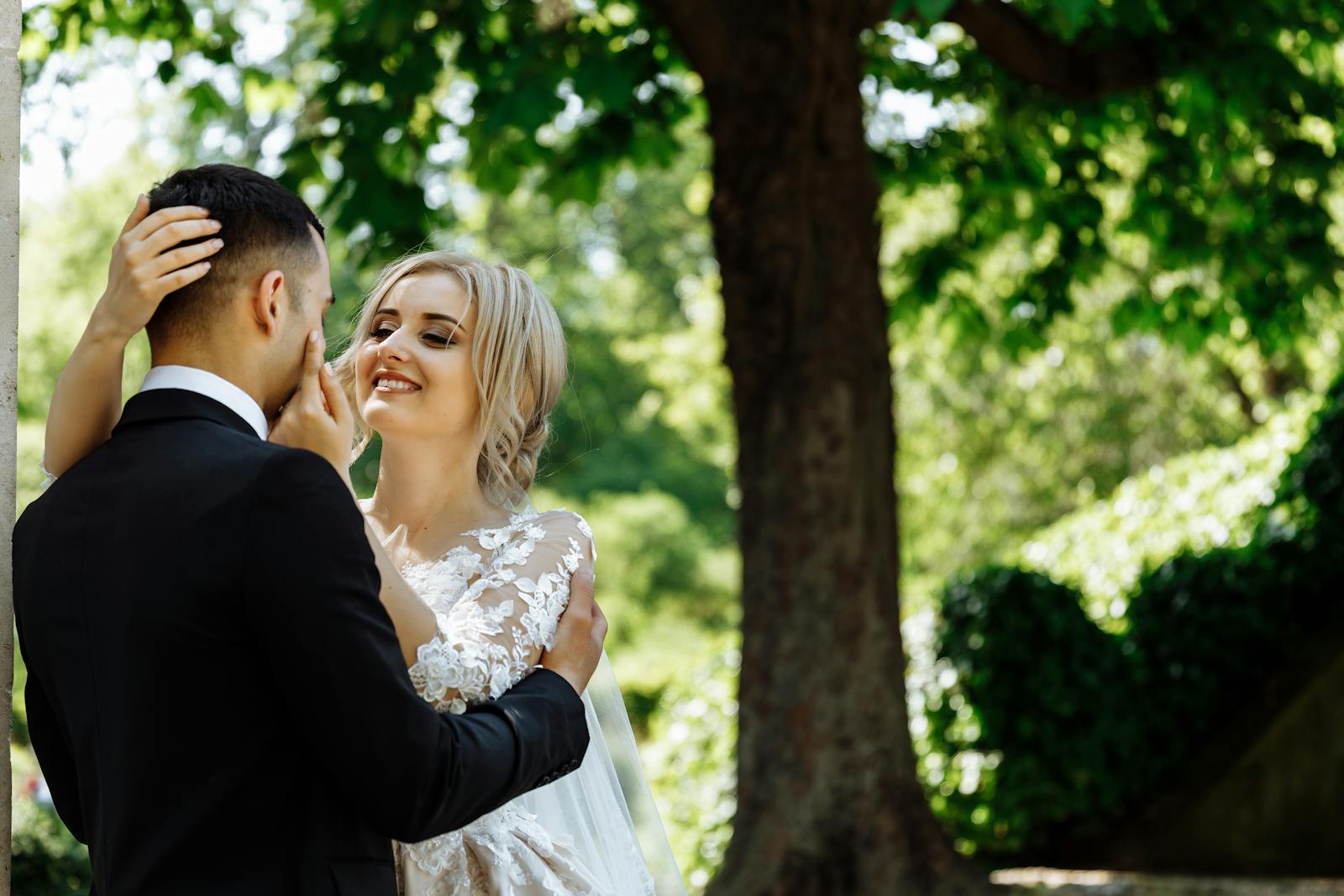
The bride's mother at a Punjabi Sikh Anand Karaj wears a Banarasi silk saree or a heavy phulkari salwar suit in pista, dusty rose, peach, or champagne, with the dupatta or pallu draped over the head for the entire gurdwara ceremony. Avoid red and maroon (bridal). The outfit must allow seated-on-floor posture for 90 minutes. Polki or kundan jewellery, never diamonds-only. Closed-toe heels or kolhapuri-style flats.
Your morning, in real time
The mother of the bride is on visible duty from baraat reception to vidaai. Here is what your saree needs to handle.
- 7:30 amFinal getting-readyHair and makeup at 5:30 am. The chunni or pallu must already be set with safety pins by 7:30 for the milni. Phulkari dupattas are heavier than Banarasi pallus, plan accordingly.
- 8:30 amMilni at the gurdwara gateYou stand alongside the bride's father to receive the groom's family. You will be matched with the groom's mother in the milni hug. Your saree pallu and her saree pallu will photograph side-by-side, palette continuity is communicated through the family WhatsApp two weeks ahead.
- 9:30 amAnand Karaj beginsFloor-seated for around 90 minutes. Banarasi sarees can be folded under, salwar suits are easier. Head covered at all times in the darbar sahib.
- 11:30 amLaavan completionStanding-position photographs with the couple, the granthi, and family. Re-pin the chunni.
- 1:00 pmFamily blessings and lunchVidaai-prep is happening parallel to lunch. You eat little, you cry once. The saree must survive both.
- 4:00 pmVidaaiThe most photographed mother-of-bride moment. You hand your daughter to the groom's family. Re-pin the pallu, fix the kohl. This image hangs in three living rooms in two weeks.
The sarees and suits that work for a Sikh mother of the bride
Sorted by tradition, weight, and how each survives floor-seating.
A pista or dusty-rose Banarasi silk saree
The Sikh mother-of-bride classicBanarasi silk in a pastel jewel tone with restrained gold zari border, paired with a matching choli, polki jewellery, and a fine net dupatta as the chunni. The dupatta covers the head; pin it firmly. This is the most photographed mother-of-bride outfit in modern North Indian Sikh weddings.
A heavy phulkari salwar suit
The deeply Punjabi pickA bagh-style phulkari (densely embroidered Punjabi suit) in cream or peach with a heavy phulkari dupatta is the most regional choice. Reads as proudly Punjabi, particularly at gurdwaras in Amritsar, Chandigarh, or rural Punjab. Less floor-seating-friendly than a saree.
A Sabyasachi-style heritage Banarasi anarkali
For a Mumbai-Delhi urban Sikh weddingA floor-length anarkali in raw silk Banarasi-style with chikan or zardozi work, paired with a fine net dupatta over the head, suits an urban hotel-gurdwara wedding. Easier to wear seated than a saree, more substantial than a regular salwar.
A peach or coral chiffon-Banarasi saree
For an evening Anand KarajA few urban Sikh families now hold the Anand Karaj at hotel gurdwaras in the evening. A lighter chiffon-Banarasi in peach or coral, with restrained jewellery, suits the indoor-evening setting better than a heavy daytime Banarasi.
Mistakes specific to this combination
- 1A red or maroon saree at the Anand KarajRed and maroon are the bride's colours. The bride's mother in red is read as competing visually. Stick to pastel jewel tones, pista, peach, dusty rose, champagne, or coral. The mother-of-bride pallu next to the bride's red lehenga should photograph as harmony, not clash.
- 2An uncovered head in the gurdwaraThe dupatta or pallu must cover your head from the moment you enter the darbar sahib until you leave. A loose drape that slips during the laavan reads as the mother not having pinned it properly. Use 4 to 6 safety pins minimum, plus a hair-clip anchor. Bobby pins alone don't hold for 90 minutes.
- 3Matching the groom's mother too closelyThe two mothers will be photographed embracing at milni. If both are in pista, the photograph is monochrome and reads as staged. The two sides typically coordinate via the wedding planner; the bride's mother defaults to a slightly more tonal palette while the groom's mother takes the brighter contrast (or vice versa, agreed in advance).
The Punjabi Sikh convention nobody puts in writing
At a Punjabi Sikh wedding, the mother of the bride is the household's visual anchor. Her saree is read as the family's status declaration. A saree that costs less than the bride's lehenga is correct; a saree that out-shines the bride is a category error. The other unwritten rule: at the milni, the bride's mother and the groom's mother embrace before either set of fathers do. This is the photograph that ends up on the front page of the family wedding album. The chunni or pallu must be properly draped, the jewellery must be visible (so the camera reads the polki tikka and necklace), and the embrace itself is held for 4 to 5 seconds for the photographer. Practice the embrace at home with your sister the night before. Plan the angle of the head-cover so the tikka is visible when you incline.
A Chandigarh wedding I attended in winter 2023, the bride's mother arrived in a stunning custom Sabyasachi peach Banarasi, hand-embroidered, eight months in the making. At milni, her chunni slipped twice during the embrace photograph. The wedding planner had to call her aside, re-pin twice. The eventual photograph in the album is the third take, with the chunni clearly anchored. The Banarasi was the right choice. The pinning was rushed. Three weeks before, do a full dress rehearsal at home, head-cover and embrace included, with your daughter's planner watching. The pinning is the unsung 90 percent.
Colours, in priority order
Get the Indian wedding outfit guide
One email a week. The next festival, the next wedding, the outfit guide you actually need. No spam.