What to Wear to a Bengali Bou Bhat as the Bride's Friend
The Bou Bhat is the Bengali reception, hosted by the groom's family the day after the wedding. The bride wears the new sindoor, the new conch shankha, and a saree gifted by her in-laws. The bride's closest friend is the only non-family woman in many of the photographs. The outfit matters.
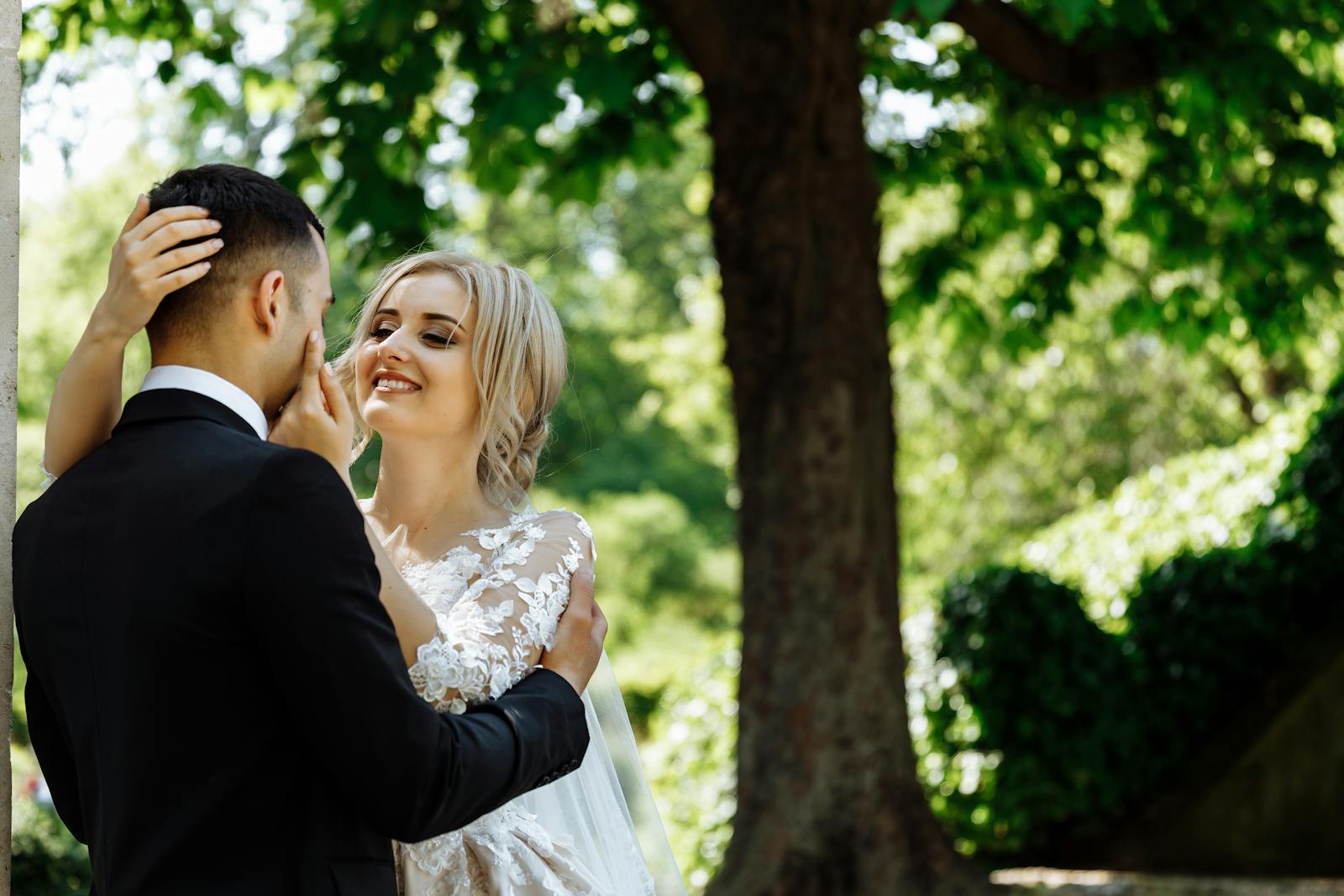
For the bride's closest friend at a Bengali Bou Bhat, wear a soft silk saree (taant, baluchari, jamdani, or a lightweight Kanjivaram) draped in the open atpoure Bengali style. Choose ivory with red border, deep teal, mustard yellow, or aubergine. Skip the lal-paar shada-saree (white with red border) reserved for the bride and married Bengali women, and skip the bridal benarasi red. Keep jewellery to gold-toned earrings and a single bangle stack, no shankha-pola (the bride's white-and-red bangles).
Your afternoon, hour by hour
The Bou Bhat is a daytime event, usually 12pm to 5pm, hosted by the groom's family. The energy is gentler than a Punjabi or Gujarati reception. Here is what your day will actually look like.
- 11:30 amArrival at the groom's family home or hallThe Bou Bhat is the bride's first formal entry into her in-laws' home. As her closest friend, you arrive thirty minutes before the lunch starts to be in the welcome-line photos. The lighting is daytime natural; daytime saree colours photograph differently from evening.
- 12:30 pmBou Bhat ritual beginsThe groom feeds the bride her first meal of rice in her new home. The closest friend often holds the bride's pallu or stands directly behind her in the photographs. This is the central image of the day.
- 1:30 pmLunch servedThe Bengali lunch sequence is long, fifteen courses if the family is traditional. Shukto, dal, fish, mutton, chutney, mishti doi, sandesh. Plan to eat sitting cross-legged at a low table for forty-five minutes, the saree drape needs to handle this.
- 3:00 pmPhotograph sessions and family introductionsThe bride is introduced to extended in-laws (groom's masi, mami, jethi). The closest friend stands at the side for emotional support and continues to feature in nearly every group photo.
- 5:00 pmBidaai or quiet exitMany Bou Bhats end with a quiet bidaai segment, the bride formally settled into her new home. This is the moment the bride and her closest friend often have their last quiet photo of the wedding week. Tissues at the ready.
The four silhouettes that actually work
The Bou Bhat is a saree event for the bride's friend, full stop. These are the four sarees that read correctly.
Soft baluchari or katan silk saree
The classic Bengali pickBaluchari sarees from Bishnupur in West Bengal carry woven mythological scenes on the pallu and read distinctly Bengali in any photograph. Drape in the atpoure (open Bengali) style with the pallu over the left shoulder. A katan silk works equally well in deep solid colours.
Taant or jamdani cotton saree
For the daytime informal Bou BhatBengali taant cotton in white with a deep coloured border or a jamdani in soft pastels with delicate motifs. Lighter than silk for a long lunch, more breathable, and unmistakably Bengali. Pin the pallu firmly, taant pleats slip when you sit cross-legged.
Lightweight Kanjivaram or Banarasi
Only in non-red palettesA Kanjivaram or Banarasi in teal, mustard, or aubergine reads dressy enough for the formal Bou Bhats hosted in five-star halls in Kolkata. Skip the red Banarasi, that is the bride's saree at the wedding day before; the bride's friend wearing the same colour family at the Bou Bhat reads competitive.
Modern Sabyasachi-style organza saree
For the urban Kolkata Bou BhatAn organza saree with selective embroidery (a botanical border, light sequinned pallu) reads modern at urban Kolkata Bou Bhats hosted at The Park or Taj. Skip if the Bou Bhat is at the family home in North Kolkata, you will be the only one not in a traditional silk.
Three mistakes I see at every Bengali Bou Bhat
- 1The lal-paar shada-sareeThe white-with-red-border saree (lal-paar shada) is reserved for the bride and married Bengali women in the family. The bride's friend in this saree reads as a relative, often confusing the photographer's caption later. Choose any other border-and-base combination instead.
- 2Wearing shankha-pola banglesThe white conch shell bangle and red coral bangle (shankha-pola) are the signature jewellery of married Bengali women. The bride receives hers during the wedding the day before. The bride's friend wearing these bangles reads as deeply uninformed about the culture. Wear gold or kundan bangles instead.
- 3Treating it like a Punjabi receptionThe Bou Bhat is a daytime, lunch-based, family event. There is no DJ, no choreographed dance, no late-night segment. A heavy embroidered lehenga is wrong for the lighting and the energy. The Bou Bhat is a saree-only event for the bride's close circle.
The Bengali insider rule nobody writes down
The Bengali atpoure saree drape (the open-pallu Bengali style with two box pleats and the pallu thrown over the left shoulder) requires a specific blouse, fitted with three-quarter sleeves and a key-hole or boat neck. A standard Nivi-drape blouse with a deep back will look wrong in the Bou Bhat photographs and instantly mark you as a guest who flew in without doing the cultural work. If you have not draped atpoure before, ask the bride's mother or aunt to help on the morning of, every Bengali household has at least three women who can drape this style in eight minutes flat.
I have attended four Bou Bhats in Kolkata and one in Delhi. The single thing that surprised me at the first one: how quiet it is compared to every other reception in India. There is no DJ, no toast, no cake-cutting. The Bou Bhat is fundamentally a meal. Dress for a long, photographed family lunch, not a party. The bride's friend who showed up to my friend's Bou Bhat in a sequinned cocktail saree spent the entire afternoon being asked which side she was related to. Don't be that guest.
Colours, in priority order
Get the Indian wedding outfit guide
One email a week. The next festival, the next wedding, the outfit guide you actually need. No spam.