What to Wear to a Muslim Walima (Reception) as the Bride's Friend
The walima is the post-nikah reception hosted by the groom's family, looser, more photographed, and stylistically more flexible than the nikah itself. The outfit guide for the bride's closest friend.
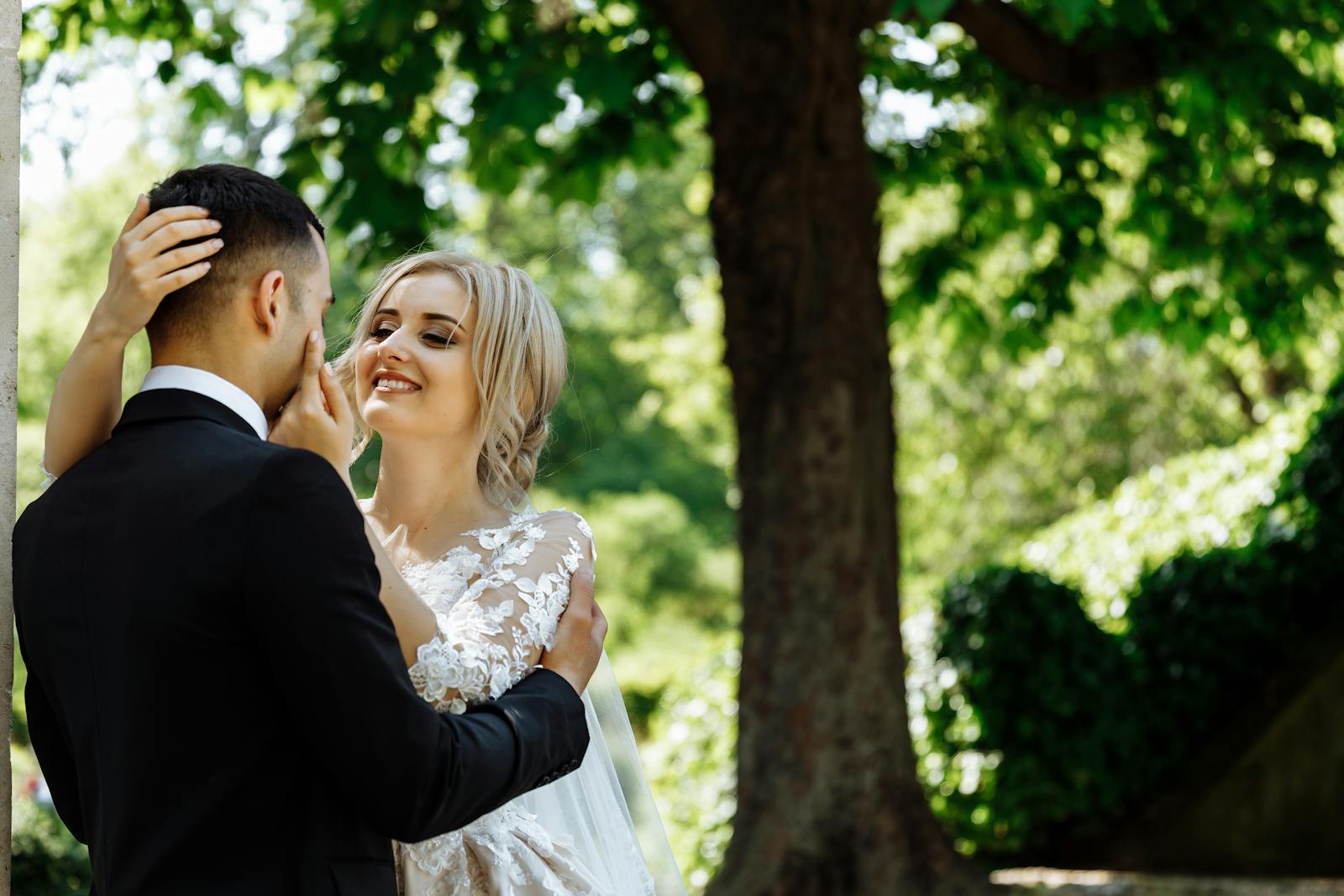
For a Muslim walima as the bride's closest friend, wear a heavy lehenga, sharara set, or designer saree in jewel tones (sapphire, emerald, copper, plum). The walima dress code is more flexible than the nikah, three-quarter sleeves and a closed back are still respectful but not strictly mandatory in modern Muslim families. The walima is the photographed evening, dress for the photo line. Avoid red (often the bride's walima palette), white (mourning), and anything strapless or backless if the bride's family is Hyderabadi or traditional UP. Statement gold and emerald jewellery.
Your evening, hour by hour
The walima is the reception hosted by the groom's family, typically the day after the nikah. Five-star hotel, formal photo line, dressy code.
- 7:00 pmArrival and pre-line photographsGuests arrive in evening light. The walima usually begins with cocktails (non-alcoholic at most Muslim weddings). The bride's closest friend arrives early to help freshen up the bride's makeup before the photo line.
- 7:30 pmPhoto line opensBride and groom stand on the stage, parents and the closest friends behind. Guests file past for two hours of namaste-and-salaam, photographs, and gift exchange. The bride's friend hands out small mithai favors.
- 9:00 pmCultural performance or qawwaliMany Muslim walimas include a qawwali ensemble (the Sufi-derived devotional music) for thirty to sixty minutes. The bride's friend sits with the bride's family, this is photographed.
- 10:00 pmDinner buffet (Mughlai)Dinner is the cultural centerpiece, biryani, kebabs, sheermal, paya, qorma, sometimes a haleem station. Eat with the bride's family, the bride's closest friend is on her right.
- 11:00 pmDance segment (modern families) or final farewellModern Muslim walimas, especially in Mumbai and Delhi, include a thirty-to-sixty-minute dance segment. Conservative families end with a final dua and farewell. Either way, the bride's friend is in the late-evening photographs.
The four silhouettes that work for the walima
The walima accepts a broader range than the nikah or the maaiyon. Choose for photographic weight.
Heavy lehenga, jewel tones
The walima defaultA floor-length lehenga in sapphire, emerald, or burgundy with extensive zardozi or thread embroidery. Photographs richly under chandelier lighting. Choose a 10-panel A-line for the photo line and the seated dinner.
Designer gharara or sharara set
The Muslim-traditional pickA heavily embroidered gharara or sharara from a Lucknowi or Hyderabadi designer, in copper, plum, or emerald. Reads as inside the community while still photographed-formal. Choose if the family is traditional Muslim.
Pre-stitched designer drape saree
For the over-30 friendA designer saree (Tarun Tahiliani, Manish Malhotra, Sabyasachi tulle). Walimas welcome dramatic sarees, especially in Mumbai and Karachi-influenced Muslim circles. Choose if you can stand in the saree for two hours.
Velvet anarkali, floor-length
For winter walimasA velvet anarkali in jewel tones for December and January walimas. Reads heavy and ceremonial, especially in North India. Photographs as cinematic under low chandeliers.
Three mistakes I see at every Muslim walima
- 1Treating the walima like a Hindu receptionEven though the walima is dressier than the nikah, it's still a Muslim event. A backless choli or a thigh-high slit reads as 'borrowed from a Bollywood reception' in front of the bride's grandmother. Three-quarter sleeves and a closed back remain the cultural baseline, even at the most modern Muslim walima.
- 2Wearing whiteWhite is mourning-coded in many Muslim communities, especially Hyderabadi and Karachi-influenced. The bride's friend in white at the walima reads as inauspicious in family photos. Avoid pure white and ivory, choose champagne or copper instead.
- 3Heavy maang tikka or kamarbandhThe Muslim community reads the maang tikka as bridal (only the bride wears it at the nikah and walima). The kamarbandh is read as Hindu-bridal in Muslim circles, friends don't wear one. Stick to a long necklace, jhumkas, and bangles.
The Muslim walima insider rule nobody writes down
The qawwali segment has a participation code. When the qawwal hits a particularly intricate phrase or a famous bait (couplet), the audience says 'wah wah' or 'subhanallah' (quietly, almost reverently). Sitting motionless reads as not understanding the music. The bride's closest friend doesn't have to know the qawwali, she just needs to nod, and say 'subhanallah' once or twice during the most intense passages. Watch the bride's father, mirror his timing. The qawwali is the cultural soul of a Muslim walima, and the friend who participates with grace is invited to closer events for years.
At my closest college friend's walima at the Taj Krishna in Hyderabad, the qawwali was an ensemble from Ajmer that played for ninety minutes. I sat next to the bride's grandmother, who quietly said 'subhanallah' every five minutes. I started mirroring her, gently, almost inaudible. By the end of the evening she had taken my hand and said 'tum hamari beti ho' (you are our daughter). The lesson, the walima is photographed and formal, but the cultural connection happens through small participation gestures, the head-cover during dua, the 'wah wah' during qawwali, the eating-with-the-family at dinner. These compound over an evening into something the family remembers for years.
Colours, in priority order
Get the Indian wedding outfit guide
One email a week. The next festival, the next wedding, the outfit guide you actually need. No spam.